
You Live Better When You Sleep Better
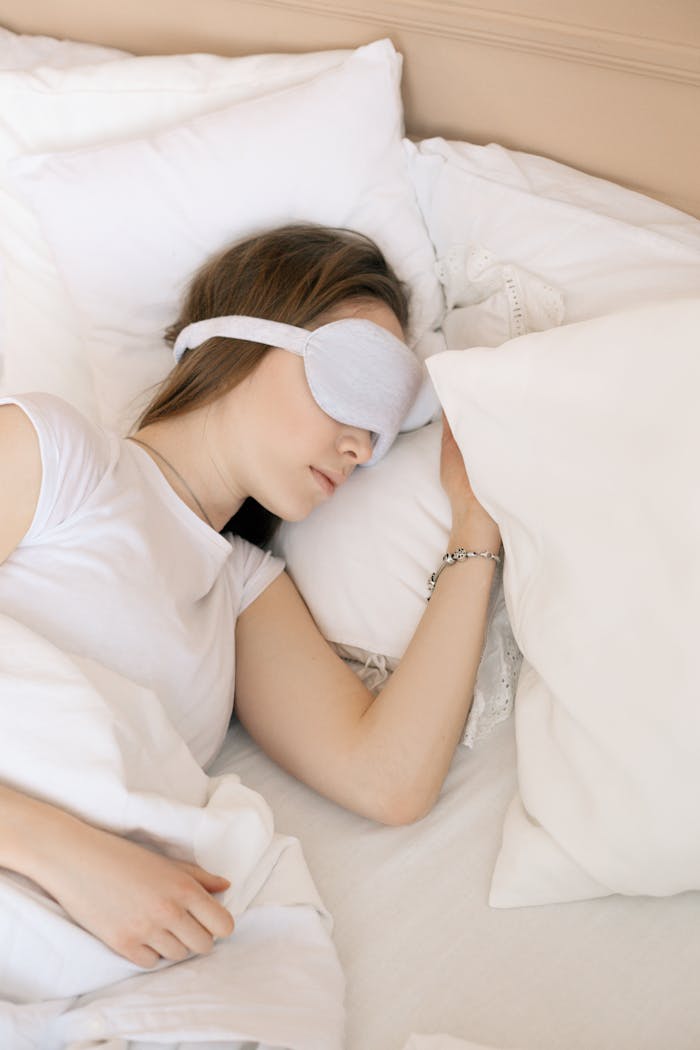
Irregular Sleep May Raise Risk of 172 Diseases—including Diabetes and Kidney Failure
🌍 Billions Affected by Sleep Disorders
-
Over 850 million adults globally suffer from insomnia.
-
Nearly 1 billion people may have obstructive sleep apnea (OSA), a serious breathing-related sleep

Your Dreams Deserve Better Sleep.
The Science of Better Sleep
SleepCareZone blends scientific research, real-life solutions, and modern habits to help you unlock your best nights.
Sleep Education & Guides
In-depth blog posts that explain sleep issues in simple language and show you how to fix them step by step.
Where Rest Meets Real Life
You spend one-third of your life sleeping. SleepCareZone helps you turn those hours into real recovery, better health, and stronger days.
Sleep Problem Insights
Clear breakdowns of common sleep challenges like insomnia, night waking, fatigue, and poor sleep quality.

Reset Your Routine
Go to bed and wake up at the same time every day to train your body’s natural sleep clock.

Optimize Your Bed
Keep your room dark, quiet, cool, and comfortable to help your brain relax faster.

Calm Your Mind
Reduce stress before bed with breathing, light reading, or screen-free time.

Support Your Body
Eat light at night, avoid caffeine late, and move your body daily for deeper rest.

Struggling With Your Sleep? We’ve Got You.
Why Do You Need Better Sleep?
Because sleep is not just rest—it’s repair, reset, and recovery.

Always Waking Up Very Tired?
Even after 7–8 hours, you still feel drained. That’s a sign your sleep quality is broken, not your willpower.

Mood Swings, Stress, or Anxiety?
Your brain heals at night. When sleep is disturbed, stress takes control.

Mind Feels Heavy and Unfocused?
Poor sleep slowly affects memory, concentration, and emotional balance—making everything feel harder than it should.

Losing Energy Day by Day?
Bad sleep doesn’t just ruin nights—it steals your best mornings, your productivity, and your confidence.
Why Am I Not Sleeping Well
Struggling with restless nights is more common than you think. Most people don’t realize that poor sleep isn’t just fatigue—it affects your health, mood, and productivity. Here’s why it happens and how to fix it naturally:

Irregular Sleep Routine
Going to bed and waking up at different times confuses your body’s natural clock. A consistent schedule trains your brain to fall asleep faster and stay asleep longer.

Stress & Overthinking
A busy mind or unresolved stress keeps your brain alert at night. Relaxation techniques like deep breathing, light reading, or journaling calm your mind for better rest.

Environment & Lifestyle
Noise, light, temperature, late caffeine, and poor diet can all disrupt sleep. Optimizing your bedroom, limiting screens, and following healthy habits support deep, uninterrupted sleep.






Real Sleep Help. Not Boring Sleep Wellness Guide


Our Mission

Sleep Education & Awareness

Problem-Based Solutions

Lifestyle & Habit Improvement

Evidence-Based Sleep Tips

Expert Product Research
FAQ
Frequently Asked Question.
Why Can’t I Fall Asleep Even When I’m Tired?
Falling asleep isn’t just about feeling tired. Stress, irregular sleep schedule, late caffeine, or too much screen time can prevent your brain from winding down. Try a consistent bedtime, reduce screens 1 hour before sleep, and create a calm, dark environment.
Why Do I Wake Up Multiple Times During the Night?
Frequent waking can be caused by stress, sleep apnea, noise, room temperature, or late-night eating. Track your habits, keep your bedroom cool and quiet, and consider professional advice if it persists.
How Can I Stop Feeling Tired in the Morning?
Morning fatigue often means your sleep cycles are disrupted. Try:
-
Going to bed at the same time every night
-
Limiting caffeine and heavy meals late
-
Avoiding screens before bed
-
Letting natural light in first thing in the morning
Is It Normal to Sleep More Than 9 Hours Sometimes?
Occasionally oversleeping is fine, especially after sleep deprivation. But regularly sleeping more than 9 hours may signal underlying issues like poor sleep quality, stress, or health problems. Focus on quality over quantity.
Can Lifestyle Changes Really Improve My Sleep?
Absolutely. Simple lifestyle habits—consistent sleep schedule, relaxing bedtime routine, light exercise, balanced diet, and a sleep-friendly environment—can dramatically improve sleep quality without medication.

How We Support You
No Medical Jargon. No Confusion. Just Simple Explanations and Clear Steps.
Easy-to-Understand Guides
We Mix Proven Scientific Research With Habits You Can Actually Follow Successfully
Science + Real Life Balance
From Falling Asleep Faster to Staying Asleep Longer—We Guide You Clearly.
Step-by-Step Fixes
Everyone’s Sleep Problem is Different. Our Blog Helps You Find What Fits You.
Personalized Learning