
Why Do I Feel Tired After Sleeping 8 Hours?

Table of Contents:
- Introduction – Reasons Why You Wake Up Tired:
- How Much Sleep Do We Really Need?
- Why Is Good Sleep Essential for Your Body?
- Simple Lifestyle Changes to Improve Your Sleep Quality
- How to Fix It – 10 Practical Solutions
- 5 Reasons Yor Are Wakling up Tried
- Testing for Obstructive Sleep Apnoea (OSA)
- How Do I Get a Sleep Test?
- Best Overnight Sleep Monitoring Devices
- Frequently Asked Question (FAQ)
Introduction – Reasons Why You Wake Up Tired:
You followed the golden rule: got 7–9 hours of sleep. You even hit 8 hours – the ideal for most adults. Yet you wake up still tired, groggy, or low-energy.
If this sounds familiar, you’re not alone – many people experience this daily frustration despite spending enough time in bed. The problem isn’t just how much you sleep – it’s how well you sleep.
In this article, we’ll explore the real reasons behind morning tiredness after 8 hours of sleep, how to identify what’s affecting you, and the most effective solutions to wake up refreshed and productive.

Low Sleep Quality

Sleep Disorders

Circadian Mis-Alignment

Lifestyle & Eco Saboteurs

Health & Metabolism Factors

Mental Health & Fatigue
1. Low Sleep Quality - Not Just Sleep Duration
Many people misunderstand sleep. You can be in bed for 8 hours – and still not get restorative sleep.
Sleep quality matters because your brain cycles through different sleep stages (light sleep, deep sleep, REM). If these cycles are disrupted, you’ll wake up tired no matter how many hours you spent in bed.
🧠 Common Disruptors of Sleep Quality:
-
Micro-awakenings: Brief interruptions you don’t remember
-
Light, noise, or temperature issues
-
Disrupted deep/REM (Rapid Eye Movement) sleep
-
Frequent bathroom trips
These interruptions fragment your sleep cycles and prevent your body from reaching the deep, repair-focused stages it needs.
2. Hidden Sleep Disorders
Even with 8 hours in bed, sleep disorders can wreck your recovery.
🔍 Major Sleep Disorder Causes:
-
Sleep Apnea: Breathing pauses throughout the night
➤ Often leaves people tired and foggy, even after full sleep. -
Restless Legs Syndrome (RLS): Uncomfortable sensations that wake you up frequently
-
Insomnia & Narcolepsy: Affect your sleep structure and daytime energy levels
Up to 5–10% of adults may have undiagnosed sleep apnea, a major contributor to feeling exhausted despite enough sleep
3. Circadian Rhythm Misalignment
Your body clock (circadian rhythm) regulates sleep and energy levels. Even with enough time in bed, if your internal clock is off – for example, from inconsistent bedtimes or shift work – you’ll wake up tired.
🔹 How This Happens
-
Irregular sleep/wake times
-
Sleeping late on weekends
-
Shift work or jet lag
When your rhythm is out of sync, your body may still think it’s night even after 8 hours, leaving you groggy.
4. Lifestyle & Environmental Saboteurs
Often, the reason you feel exhausted isn’t medical – it’s everyday habits and environment.
🛏 Sleep Hygiene Mistakes:
✔ Excessive screen time before bed (blue light blocks melatonin)
✔ Caffeine or alcohol close to bedtime
✔ Room too light, noisy, or warm
✔ Irregular routine or naps during the day
Even tiny disruptions – like a bright alarm clock or bedtime scrolling – can reduce sleep’s restorative effects.
5. Diet, Health, & Metabolism Factors
Sometimes the root cause isn’t sleep itself, but underlying health issues or body systems:
🧪 Common Contributors:
-
Anemia (Iron deficiency): Less oxygen transport = fatigue
-
Thyroid problems: Slow metabolism leaves you tired
-
Vitamin D or B12 deficiency: Weak energy production
-
Dehydration: Low fluid levels can make sleep lighter
These issues can exist even if you’re clocking enough sleep hours.
6. Stress, Mental Health & Emotional Fatigue
Your brain needs to rest, not just shut down.
🧠 Why This Drains You
-
Stress hormones (cortisol) keep your brain alert
-
Anxiety makes sleep lighter and more fragmented
-
Depression and mood disorders can make mornings feel heavy
Even if you slept 8 hours, a stressed or anxious mind may not allow your sleep to be fully restorative.
How Much Sleep Do We Really Need?

Newborns
14–17 hours of sleep per day.
School-Age Kids
9–12 hours of sleep per day.
Teenagers
8–10 hours of sleep per day.
Adults (18–60)
7 or more hours of sleep per day.
Older Adults
7–8 hours of sleep per day.
For most adults, 7–9 hours is a healthy range, but some people may need slightly more or less depending on lifestyle, stress, and health. The key is how you feel in the morning – refreshed or tired?
Sleep is more than just time in bed. You must go through several sleep cycles, including light sleep, deep sleep, and REM sleep, to feel fully rested. Just lying in bed for 8 hours without really resting doesn’t give your body the full benefit of these stages.
Why Is Good Sleep Essential for Your Body?
Sleep is not just “rest.” It’s when your body and brain do important work:
Brain and Memory
Sleep helps your brain organize information and store memories learned during the day through a critical process known as memory consolidation.

Body Repair
While you sleep, your heart and blood vessels get a break, and your body makes hormones that help with growth, appetite control, and healing.

Immune Support
Sleep helps your immune system fight sickness better.
Mood & Energy
Good sleep improves your mood, focus, and energy levels.

Simple Lifestyle Changes to Improve Your Sleep Quality
Improving your sleep pattern means making your sleep schedule and habits more steady and predictable. Here are the most effective changes you can make:
1. Keep a Regular Sleep Schedule
Go to bed and wake up at the same time every day – yes, even on weekends. This trains your internal clock to know when to sleep and when to wake.

2. Morning Sunlight
Getting natural light soon after waking helps reset your internal clock so your body knows when it’s time to sleep at night.
3. Reduce Screen Time Before Bed
Phones, laptops, and bright lights send the wrong signal to your brain and can make it harder to fall asleep.
4. Sleep Environment
Keep your room quiet, cool, and dark. This creates a better place for your body to relax into sleep.
5. Relax Before Sleep
Do something calm before bed – like reading or breathing exercises – so your body knows it’s time to sleep soon.
These simple habits are called sleep hygiene – a set of routines that help improve sleep naturally.

How to Fix It – 10 Practical Solutions
Ways to Improve Sleep Quality
Quality sleep means uninterrupted rest that leaves you refreshed in the morning. Here’s how to boost sleep quality:

1) Stop Heavy Meals Before Bed
Eating big meals close to bedtime forces your body to work when it should be resting.
2) Limit Caffeine & Alcohol
Avoid after mid-afternoon; both reduce sleep quality.

3) Avoid Late-Night Sugar & Processed Foods
High sugar intake at night can spike blood sugar levels, leading to restless or broken sleep.
4) Review Your Mattress & Pillow
An unsupportive mattress or the wrong pillow can cause micro-awakenings and body pain without you realizing it.

5) Exercise Regularly
But avoid intense workouts 1–2 hours before bedtime.

6) Stay Hydrated
Drink water throughout the day (but not too close to sleep).
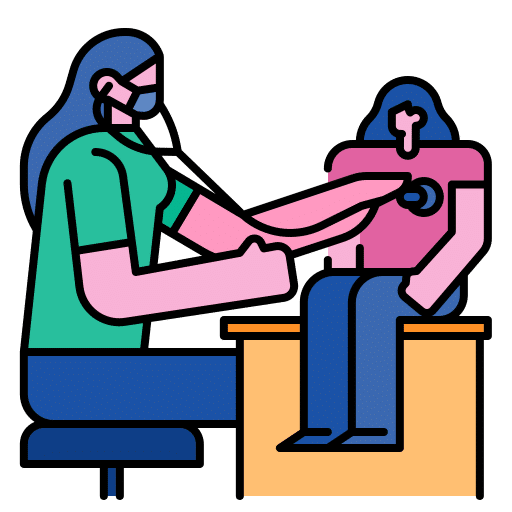
7) Check for Hidden Sleep Disorders
Conditions like sleep apnea, restless leg syndrome, or chronic snoring often go unnoticed but cause unrefreshing sleep.

8) Check Iron, Vitamin D & B12
A simple blood test can rule out deficiencies. Low iron, magnesium, vitamin D, or B12 levels can cause fatigue even after enough sleep.
9) Track Sleep Patterns
Using a sleep diary or tracker can reveal patterns like frequent awakenings, short deep sleep, or irregular timing.

10) Talk to a Professional
If lifestyle changes fail, a sleep specialist or doctor can check for disorders such as sleep apnea.


1. Sleep Apnoea
Sleep apnoea is a condition where your breathing stops and starts many times while you sleep.
You may not notice it, but your body does.

What happens:
-
Oxygen levels drop
-
Your brain wakes you up again and again
-
Deep sleep is broken

Common signs:
-
Loud snoring
-
Waking up gasping for air
-
Dry mouth in the morning
-
Feeling sleepy all day
2. Anaemia (Low Iron Level)
Anaemia means your blood does not have enough healthy red blood cells.
Red blood cells carry oxygen to your body.

When iron is low:
- Your body gets less oxygen
- Muscles feel weak
- Brain feels slow
Common signs:
- Constant tiredness
- Pale skin
- Dizziness
- Shortness of breath
3. Diabetes
High or unstable blood sugar can affect your sleep and energy.

Why diabetes causes:
- Blood sugar drops or rises at night
- Frequent urination breaks sleep
- Body struggles to use energy properly
Common signs:
- Feeling thirsty at night
- Waking up to pee often
- Morning fatigue
- Low energy all day
4. Anxiety
Anxiety keeps your mind active when it should rest.
Your body may sleep – but your brain stays alert.
How anxiety affects:
-
Light sleep instead of deep sleep
-
Racing thoughts at night
-
Early morning waking
Common signs:
-
Overthinking before bed
-
Tight chest
-
Restless sleep
-
Waking up worried
5. Insomnia
Insomnia means trouble falling asleep or staying asleep.
Even if you stay in bed for 8 hours, real sleep may be much less.
Types of insomnia:
-
Difficulty falling asleep
-
Waking up many times
-
Waking too early
Common signs:
-
Long time to fall asleep
-
Broken sleep
-
Feeling unrefreshed in the morning


Testing for Obstructive Sleep Apnoea (OSA)
Sometimes, tiredness even after enough sleep may be due to Obstructive Sleep Apnea (OSA) – a condition where your breathing stops and starts many times during sleep.
🧪 What Tests Diagnose OSA
Doctors use tests like:
Polysomnography (Sleep Study):
A detailed test usually done in a sleep center where sensors monitor your brain waves, breathing, oxygen levels, and more while you sleep.
Home Sleep Apnea Test:
A simpler option done at home that records breathing and oxygen levels. It’s more comfortable and often easier to schedule.
These tests help doctors see if your breathing is stopping repeatedly at night – which can cause poor sleep quality and daytime tiredness.

How Do I Get a Sleep Test?

Talk to Your Doctor
Tell them your problems and symptoms like loud snoring, gasping for air, or daytime sleepiness.

Get a Prescription
A doctor may refer you to a sleep clinic or order a home sleep test.

Take the Test
Follow the instructions for using the equipment, whether it’s at a clinic or at home.

Review Results
Your doctor will explain what the test means and whether you have conditions like OSA.
Best Overnight Sleep Monitoring Devices
1. Wellue O2Ring Wearable Pulse Oximeter
Great for overnight blood oxygen tracking

I) Comfortable ring-style design made for all-night wear
Eating big meals close to bedtime forces your body to work when it should be resting.
II) Tracks SpO₂ and pulse continuously while you sleep
Cool, dark, quiet rooms promote deeper sleep – blackout blinds and earplugs help.
III) Works with companion apps for simpler data review
Cool, dark, quiet rooms promote deeper sleep – blackout blinds and earplugs help.
IV) Can help you see overnight oxygen drops that may signal breathing issues
Cool, dark, quiet rooms promote deeper sleep – blackout blinds and earplugs help.
2. EMAY SleepO2 Wrist Pulse Oximeter
Continuous overnight tracking with reports
I) Wrist-mounted oximeter that records SpO₂ and pulse throughout the night
Stop screens 60 mins before sleep to avoid melatonin suppression.
II) Built-in memory for detailed data logging
Avoid after mid-afternoon; both reduce sleep quality.
III) Can show trends so you can discuss results with your clinician later
Stop screens 60 mins before sleep to avoid melatonin suppression.
3. Innovo Deluxe Fingertip Pulse Oximeter
Simple clip-on oxygen & pulse monitor
I) Easy to use fingertip device with digital display
Stop screens 60 mins before sleep to avoid melatonin suppression.
II) Good basic monitor for overnight SpO₂ checks
Avoid after mid-afternoon; both reduce sleep quality.
III) Includes perfusion index and pulse rate data - helpful before getting deeper tests
Stop screens 60 mins before sleep to avoid melatonin suppression.


FAQ
Frequently Asked Question.
Q1: If I Sleep 8 Hours but Wake Up Tired, is It Always a Problem?
Not always – occasional tiredness can be due to routine or environment. But persistent exhaustion needs attention. Regular fatigue can signal deeper issues with sleep quality or health.
Q2: Does Waking Up During the Night Make a Difference?
Yes – even brief breaks from sleep prevent reaching restorative stages, making you feel tired even after enough sleep time.
Q3: Can Stress Alone Make Me Tired Despite Good Sleep?
Absolutely – stress and anxiety keep your brain in alert mode, preventing deep sleep.
Q4: Should I Get Checked for a Sleep Disorder?
If you regularly feel exhausted despite enough sleep plus healthy habits, it’s worth discussing with a doctor. Disorders like sleep apnea are common and treatable.
Q5: Can Lifestyle Changes Really Improve My Sleep?
Absolutely. Simple lifestyle habits -consistent sleep schedule, relaxing bedtime routine, light exercise, balanced diet, and a sleep-friendly environment- can dramatically improve sleep quality without medication.
How We Support You
No Medical Jargon. No Confusion. Just Simple Explanations and Clear Steps.
Easy-to-Understand Guides
We Mix Proven Scientific Research With Habits You Can Actually Follow Successfully
Science + Real Life Balance
From Falling Asleep Faster to Staying Asleep Longer - We Guide You Clearly.
Step-by-Step Fixes
Everyone’s Sleep Problem is Different. Our Blog Helps You Find What Fits You.
Personalized Learning